


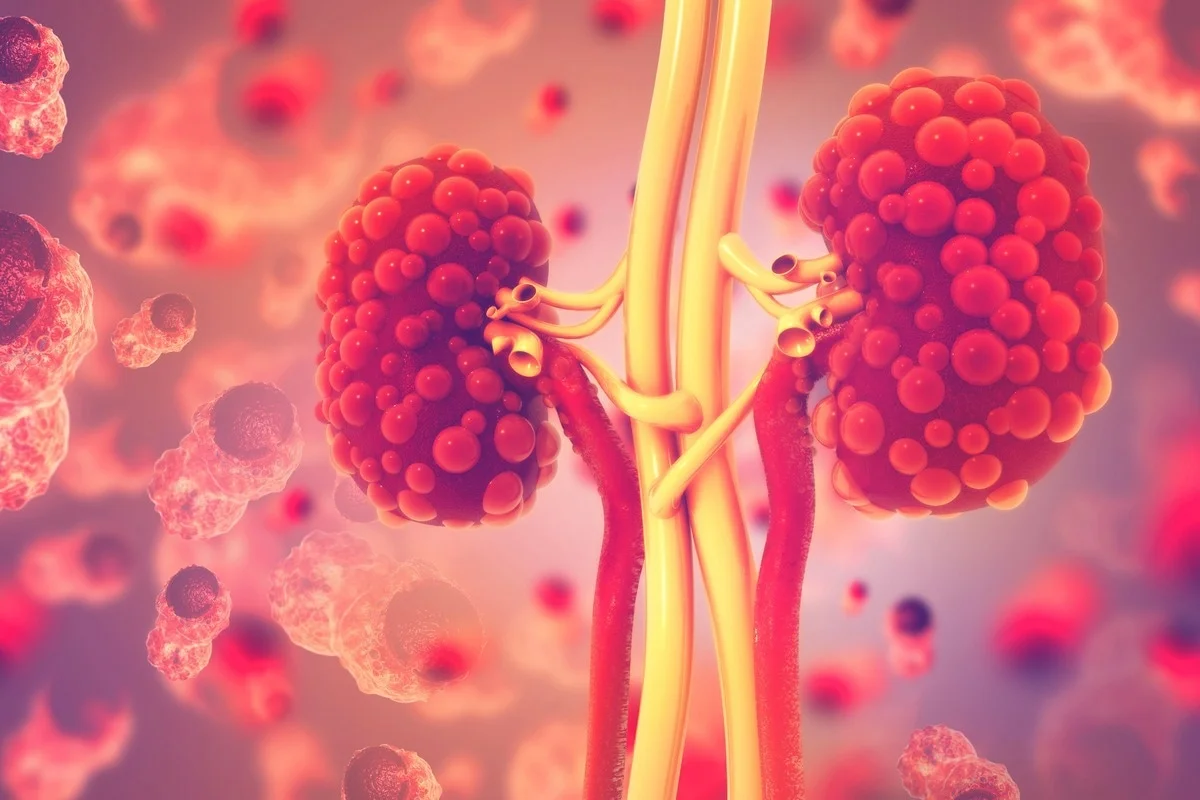
Hypertension, commonly known as high blood pressure, is a pervasive health issue affecting
millions worldwide. Beyond its well-known association with heart disease, hypertension also
poses a significant risk for renal failure. This article delves into the relationship between
hypertension and renal failure, exploring the impact of high blood pressure on kidney health, risk
factors, symptoms, and preventive measures.
The Link between Hypertension and Renal Failure:
The kidneys play a crucial role in maintaining a balance of fluids and electrolytes in the body.
Hypertension exerts excessive pressure on the blood vessels, including those in the kidneys.
Over time, this heightened pressure can lead to damage of the delicate blood vessels and
filtering units in the kidneys, compromising their ability to function properly.
Hypertension-induced renal failure, also known as hypertensive nephropathy, is a progressive
condition that can ultimately result in kidney damage or failure.
Risk Factors:
Several factors contribute to the increased risk of developing renal failure due to hypertension.
Chronic, uncontrolled high blood pressure is the primary risk factor. Other contributing factors
include diabetes, obesity, smoking, age, and a family history of kidney disease. Individuals with
these risk factors should be particularly vigilant about monitoring and managing their blood
pressure.
Symptoms:
Hypertensive nephropathy often progresses silently, with no apparent symptoms in the early
stages. As kidney damage advances, symptoms may include changes in urination patterns,
blood in the urine, swelling in the ankles, fatigue, and difficulty concentrating. Regular
monitoring and prompt medical attention are crucial to detect and address these symptoms
early on.
Preventive Measures:
- Blood Pressure Control: Maintaining optimal blood pressure levels is paramount in
preventing hypertensive nephropathy. Lifestyle modifications such as a low-sodium diet, regular
exercise, and stress management, along with adherence to prescribed medications, can help
control blood pressure effectively. - Regular Monitoring: Routine blood pressure checks and kidney function tests are
essential for individuals with hypertension. Early detection of any abnormalities allows for timely
intervention to prevent further kidney damage. - Healthy Lifestyle Choices: Adopting a healthy lifestyle is fundamental in preventing both
hypertension and renal failure. This includes a balanced diet, regular exercise, maintaining a
healthy weight, and avoiding smoking and excessive alcohol consumption.
Conclusion:
The intricate connection between hypertension and renal failure highlights the critical need for
proactive management and preventive measures. By prioritizing blood pressure control,
adopting a healthy lifestyle, and undergoing regular medical check-ups, individuals can
significantly reduce the risk of developing hypertensive nephropathy. Understanding the
interplay between hypertension and renal health empowers individuals to take charge of their
well-being, potentially preventing the silent progression towards kidney complications
Post a comment
Related Posts
March 21, 2024
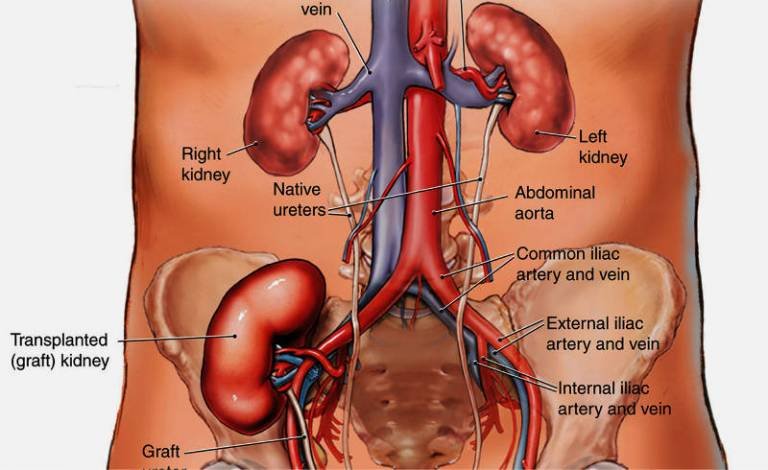
A New Lease on Life: Positive Mental Side Effects of Renal Transplantation
For individuals facing the challenges of renal failure, a kidney transplant offers not only aphysical…

March 21, 2024
Diabetes and Renal Failure: Understanding the Interconnection
Diabetes and renal failure are two medical conditions that often go hand in hand, forming…
March 21, 2024
The Silent Struggle: Renal Failure and its Impact on Mental Health
Renal failure, a condition where the kidneys lose their ability to function adequately, not onlyposes…
March 21, 2024
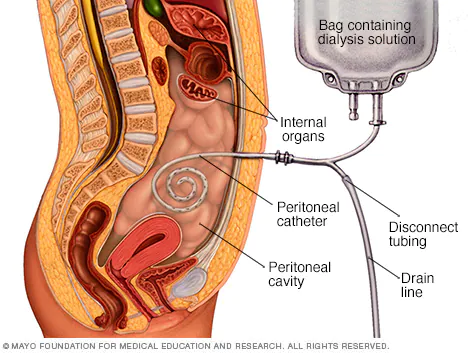
Weighing the Options: Pros and Cons of Dialysis Treatment and Peritoneal Dialysis
Introduction:When it comes to managing renal failure, two primary forms of dialysis emerge as cruciallifelines:…

 English
  Français