



Diabetes and renal failure are two medical conditions that often go hand in hand, forming a
complex and potentially life-threatening relationship. Diabetes, a chronic metabolic disorder
characterized by high blood sugar levels, is a leading cause of renal failure, also known as
diabetic nephropathy. In this article, we will explore the connection between diabetes and renal
failure, the risk factors, symptoms, and preventive measures.
The Link between Diabetes and Renal Failure:
Diabetic nephropathy is a progressive kidney disease that results from prolonged exposure to
high levels of blood glucose. The kidneys play a crucial role in filtering waste and excess fluids
from the blood, regulating electrolytes, and maintaining overall fluid balance in the body. When
diabetes is poorly controlled, it can lead to damage of the small blood vessels in the kidneys,
impairing their ability to function properly.
Risk Factors:
Several factors contribute to the increased risk of developing renal failure in individuals with
diabetes. Poorly managed blood sugar levels, high blood pressure, and genetic predisposition
are key risk factors. Additionally, smoking, obesity, and a family history of kidney disease can
further elevate the likelihood of renal complications.
Symptoms:
In the early stages, diabetic nephropathy may not exhibit noticeable symptoms. However, as the
condition progresses, individuals may experience swelling in the ankles, decreased urine
output, fatigue, nausea, and anemia. These symptoms should not be ignored, as they may
indicate declining kidney function.
Preventive Measures:
- Blood Sugar Control: Maintaining optimal blood sugar levels is crucial in preventing
diabetic nephropathy. Regular monitoring, medication adherence, and lifestyle modifications,
including a balanced diet and regular exercise, can contribute to better glucose management. - Blood Pressure Management: Controlling high blood pressure is essential in preserving
kidney function. Medications, dietary changes (such as reducing salt intake), and regular
exercise can help manage blood pressure levels effectively. - Regular Monitoring: Individuals with diabetes should undergo regular check-ups, including
blood tests to assess kidney function. Early detection of any abnormalities allows for timely
intervention and management. - Healthy Lifestyle Choices: Adopting a healthy lifestyle is key in preventing both diabetes
and renal failure. This includes maintaining a balanced diet, staying physically active, avoiding
smoking, and moderating alcohol consumption.
Conclusion:
The connection between diabetes and renal failure underscores the importance of proactive
management and preventive measures. By prioritizing blood sugar control, blood pressure
management, and overall health, individuals with diabetes can reduce their risk of developing
diabetic nephropathy and mitigate its impact on kidney function. Regular medical check-ups and
lifestyle modifications are integral components of a comprehensive approach to prevent the
progression of these interconnected conditions
Post a comment
Related Posts
March 21, 2024
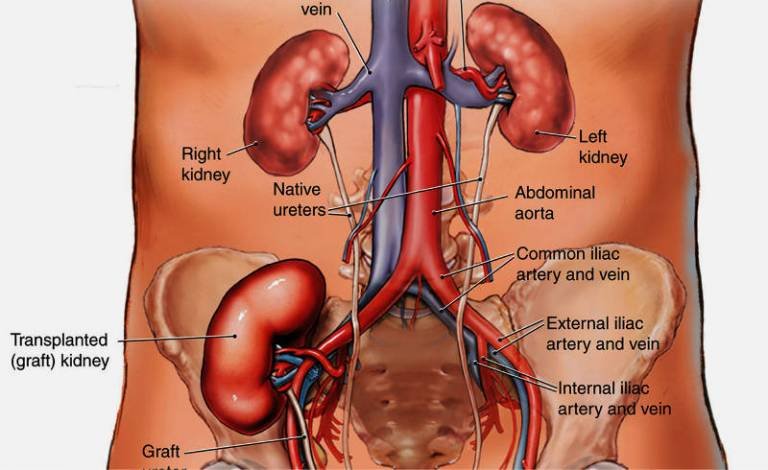
A New Lease on Life: Positive Mental Side Effects of Renal Transplantation
For individuals facing the challenges of renal failure, a kidney transplant offers not only aphysical…

March 21, 2024
The Silent Threat: Hypertension and its Connection to Renal Failure
Hypertension, commonly known as high blood pressure, is a pervasive health issue affectingmillions worldwide. Beyond…

March 21, 2024
The Silent Struggle: Renal Failure and its Impact on Mental Health
Renal failure, a condition where the kidneys lose their ability to function adequately, not onlyposes…
March 21, 2024
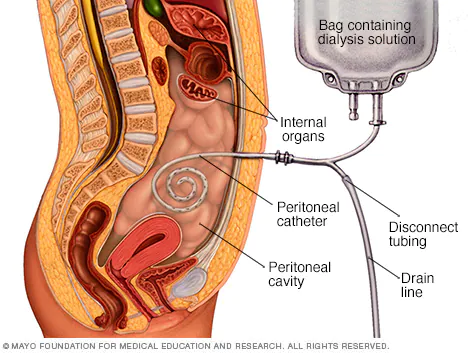
Weighing the Options: Pros and Cons of Dialysis Treatment and Peritoneal Dialysis
Introduction:When it comes to managing renal failure, two primary forms of dialysis emerge as cruciallifelines:…

 English
  Français