


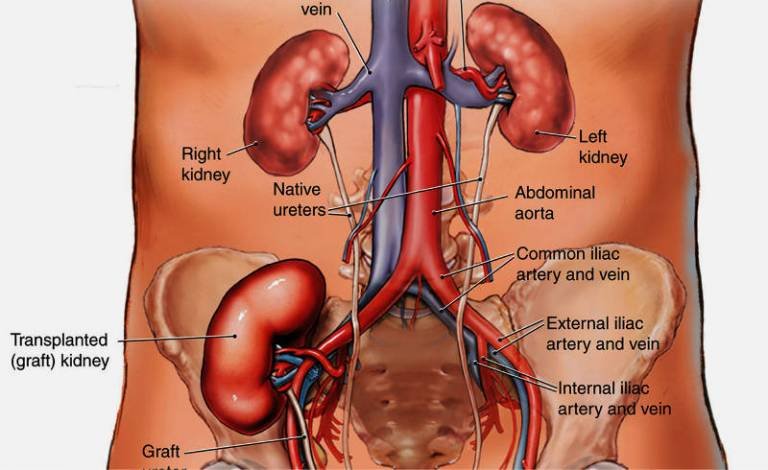
For individuals facing the challenges of renal failure, a kidney transplant offers not only a
physical reprieve but also a profound positive impact on mental well-being. Beyond the
restoration of kidney function, renal transplantation brings a host of psychological benefits that
contribute to an improved quality of life. This article explores the positive mental side effects
experienced by patients undergoing renal transplantation.
- Renewed Sense of Normalcy:
Renal transplantation often marks a return to a more normal life for patients. The freedom
from the constraints of dialysis treatments and dietary restrictions can foster a renewed sense of
normalcy. The ability to resume daily activities without the constant burden of medical
interventions can significantly boost a patient’s mental well-being. - Enhanced Quality of Life:
The improved kidney function resulting from transplantation contributes to an enhanced
overall quality of life. Patients often report increased energy levels, reduced fatigue, and a
greater capacity to engage in activities they enjoy. This positive shift can have a profound
impact on mental health, fostering a more optimistic outlook on the future. - Emotional Relief and Reduced Anxiety:
The anticipation and uncertainty associated with living with renal failure can create significant
emotional stress. The successful transplantation not only alleviates the anxiety related to the
progression of the disease but also provides emotional relief, allowing patients to focus on
rebuilding their lives. - Increased Independence:
Renal transplantation empowers individuals to regain a sense of control and independence
over their health. Being free from the constraints of frequent dialysis sessions and dietary
restrictions can lead to increased autonomy, contributing to a positive shift in the patient’s
mental attitude. - Improved Body Image and Self-Esteem:
The physical changes associated with renal failure, such as fluid retention and changes in skin
color, can impact a patient’s body image and self-esteem. Successful transplantation often leads
to a restoration of physical appearance, positively influencing how individuals perceive
themselves and their bodies. - Gratitude and Emotional Resilience:
The gift of a new kidney through transplantation often fosters a deep sense of gratitude in
patients. This gratitude, coupled with the resilience developed through the challenges of renal
failure, can contribute to emotional strength and a more positive mindset in facing future
hurdles.
Conclusion:
Renal transplantation is not just a medical procedure; it is a transformative journey that extends
beyond physical healing to positively impact the mental well-being of patients. From regaining a
sense of normalcy to experiencing emotional relief and increased independence, the mental
side effects of renal transplantation are profound. As medical advancements continue to
improve transplant outcomes, the positive mental aspects of this life-changing intervention offer
hope and a brighter future for those navigating the complexities of renal failure
Post a comment
Related Posts

March 21, 2024
Diabetes and Renal Failure: Understanding the Interconnection
Diabetes and renal failure are two medical conditions that often go hand in hand, forming…
March 21, 2024
The Silent Threat: Hypertension and its Connection to Renal Failure
Hypertension, commonly known as high blood pressure, is a pervasive health issue affectingmillions worldwide. Beyond…

March 21, 2024
The Silent Struggle: Renal Failure and its Impact on Mental Health
Renal failure, a condition where the kidneys lose their ability to function adequately, not onlyposes…
March 21, 2024
Weighing the Options: Pros and Cons of Dialysis Treatment and Peritoneal Dialysis
Introduction:When it comes to managing renal failure, two primary forms of dialysis emerge as cruciallifelines:…

 English
  Français