



Renal failure, a condition where the kidneys lose their ability to function adequately, not only
poses significant physical challenges but also exerts a profound impact on the psychological
well-being of affected individuals. This article explores the often-overlooked aspect of renal
failure—the negative effects on patients’ psychology, addressing the emotional toll, challenges,
and coping mechanisms associated with this complex medical condition.
The Emotional Toll of Renal Failure:
Being diagnosed with renal failure can be emotionally overwhelming. The prospect of lifestyle
changes, extensive medical treatments such as dialysis, and the potential need for a kidney
transplant can create a sense of uncertainty and anxiety. Patients may grapple with feelings of
loss, frustration, and fear as they navigate the complexities of managing their health and
adjusting to a new normal.
Challenges Faced by Patients:
- Impact on Self-Image: The need for dialysis and other medical interventions can alter a
patient’s physical appearance, potentially affecting their self-esteem and body image. This
change, combined with the stress of managing a chronic illness, can contribute to emotional
distress. - Social Isolation: The demanding nature of renal failure treatment may lead to social
isolation as patients often need to prioritize their health over social engagements. This isolation
can result in feelings of loneliness and a sense of detachment from normal life. - Uncertainty about the Future: The unpredictability of renal failure progression and the
prospect of ongoing medical treatments can create a sense of uncertainty about the future.
Patients may grapple with worries about the impact on their families, employment, and overall
quality of life.
Coping Mechanisms: - Mental Health Support: Seeking professional mental health support, such as counseling
or therapy, can provide a safe space for patients to express their emotions, fears, and
frustrations. Mental health professionals can offer coping strategies and emotional support. - Peer Support Groups: Engaging with others facing similar challenges through support
groups can be immensely beneficial. Sharing experiences and learning from others can help
patients realize they are not alone in their journey. - Education and Empowerment: Understanding the medical aspects of renal failure can
empower patients to actively participate in their care. Education about treatment options,
lifestyle modifications, and available support services can reduce feelings of helplessness.
Conclusion:
While the physical aspects of renal failure are undoubtedly challenging, it is essential to
acknowledge and address the negative effects on patients’ psychology. A holistic approach to
care that includes mental health support, social connections, and education can contribute to
better overall well-being for individuals navigating the complex landscape of renal failure. By
recognizing and addressing the emotional toll, healthcare professionals and support networks
can play a crucial role in helping patients cope with the psychological challenges associated
with renal failure.
Post a comment
Related Posts
March 21, 2024
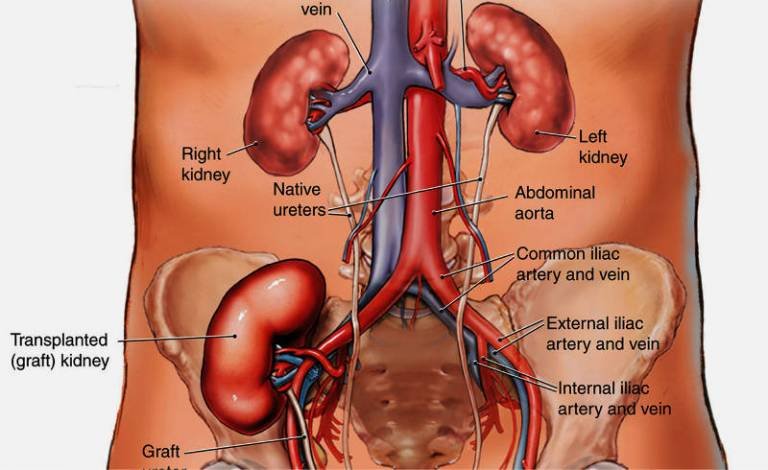
A New Lease on Life: Positive Mental Side Effects of Renal Transplantation
For individuals facing the challenges of renal failure, a kidney transplant offers not only aphysical…

March 21, 2024
Diabetes and Renal Failure: Understanding the Interconnection
Diabetes and renal failure are two medical conditions that often go hand in hand, forming…

March 21, 2024
The Silent Threat: Hypertension and its Connection to Renal Failure
Hypertension, commonly known as high blood pressure, is a pervasive health issue affectingmillions worldwide. Beyond…
March 21, 2024
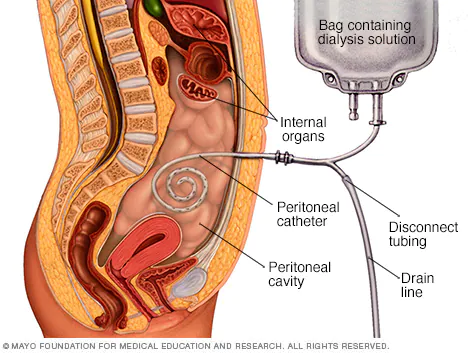
Weighing the Options: Pros and Cons of Dialysis Treatment and Peritoneal Dialysis
Introduction:When it comes to managing renal failure, two primary forms of dialysis emerge as cruciallifelines:…

 English
  Français